
cOURSES
Recreational Diver Level 1 (Nitrox) — Learn to Dive the Right Way
Recreational Diver 1—Rec 1—is GUE’s learn-to-dive program. It’s designed for people who have never been certified, as well as certified divers who want to start over and do it correctly from the beginning.
Rec 1 is one of the most detailed and demanding entry-level scuba programs in the industry. From day one, you’re introduced to the GUE system of diving—how to think, plan, dive, and function as part of a team. GUE is internationally recognized for training divers who are capable, calm, and consistent underwater, whether their goals stay recreational or eventually move into cave, tech, or exploration diving.
Why Rec 1
Rec 1 is appropriate if:
You’ve never scuba dived
You’ve never been certified
You’re already certified but want a proper reset and a much higher standard of training
For some divers, Rec 1 is the only course they’ll ever take. For others, it’s the foundation of a long diving path. Either way, the goal is the same: build real capacity, not just earn a card.
People come to diving for many reasons:
To explore the underwater world
To experience neutral buoyancy and true three-dimensional movement
To see reefs, wrecks, marine life, and remote places
To disconnect from phones, email, and daily noise—and be present
To learn solid diving skills and be a reliable teammate
To understand gas planning, ascents, and reserves
To learn how and why to dive nitrox
To gain stability, control, and awareness that lets you see more and do more
To turn “emergencies” into manageable problems
To dive anywhere in the world with similarly trained divers
Whatever your reason, Rec 1 gives you the tools to dive safely, confidently, and enjoyably.
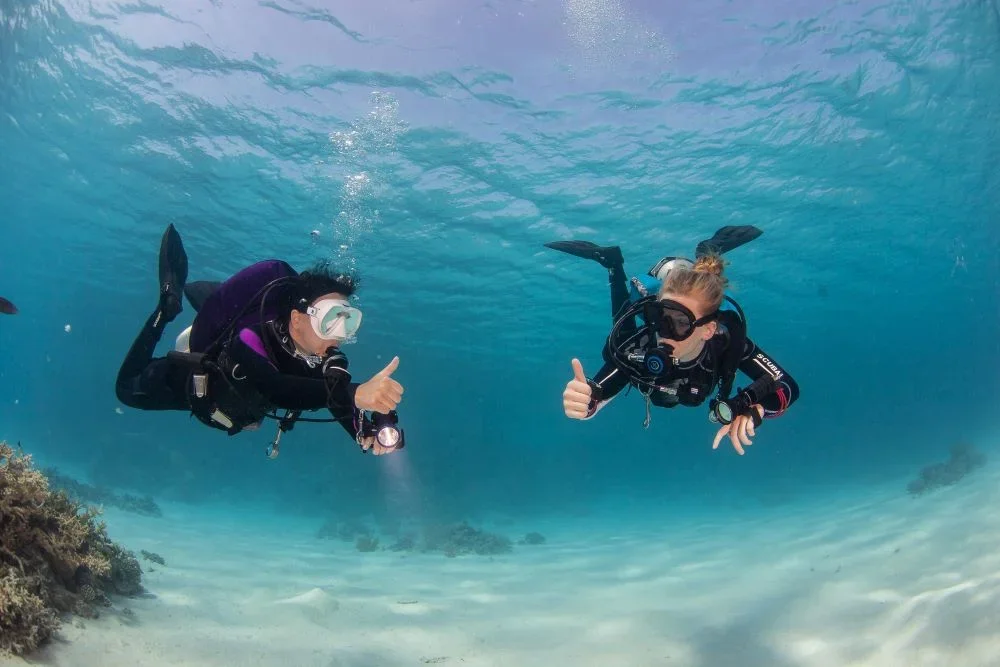
water skills include:
Underwater communication
Buoyancy and trim control
Propulsion techniques
Gas sharing with an out-of-gas diver
Ascending and traveling as a team
Valve drills
No-mask comfort and teamwork
Basic rescue skills
Contingency procedures
Surface marker buoy deployment
Basic natural and compass navigation
Controlled descents and ascents in varied scenarios
What You’ll Learn
Rec 1 introduces scuba diving using the GUE methodology from the very first dive. The course includes pre-study, classroom sessions, land-based drills, confined-water (pool or calm, shallow water), and culminates in open-water training dives.
Classroom topics include:
Water properties and basic physics
How scuba equipment works
The GUE equipment system and why it’s configured the way it is
(backplate and harness, wing, long-hose regulator, fins, etc.)Equipment fitting and adjustment
Underwater communication
Team diving concepts
Dive and gas planning
Gas reserves and usage strategies
Ascent profiles
Pre-dive checks
Nitrox theory and use
Narcosis and oxygen considerations
Gas analysis
Recreational decompression strategies
Dive safety and basic rescue
Marine environments and ecosystems
GUE’s global conservation and exploration work
Video review and detailed debriefs of training dives
In-Water Focus
The course begins by building a stable platform:
Buoyancy
Trim
Stability and control
Propulsion and maneuvering
Situational awareness
Team positioning and communication
All skills are performed neutrally buoyant, in trim, and as part of a team. You’ll practice deliberately and repeatedly, with time to refine—not rush—each skill.
As your foundation improves, task loading increases. You’ll learn to maintain control while solving problems, communicating, and helping teammates.
How We Teach
Skills are taught progressively:
Introduced in the classroom
Demonstrated on land
Practiced on land
Demonstrated in the water
Practiced underwater with repetition, feedback, and often video review
The emphasis is not on checking off skills. It’s on moving each diver from where they start to where they can be—building consistency, awareness, and confidence that lasts well beyond the class.
Every course is slightly different because every student is different.
Duration & Certification
5–6 full days, depending on location and logistics
(alternate schedules available by arrangement)Very small class sizes
No more than two new divers per class (occasionally three by request or with a refresher diver)Includes classroom, land drills, open-water dives, and video review
Successful completion includes Nitrox 32 certification
Maximum depth: 70 ft / 21 m
Classroom-only option available (reduced tuition)
Rec 1 may also be taken in two parts:
Recreational Supervised Diver (40 ft / 12 m max, diving with a leader)
Rec 1 Upgrade once ready for full certification
Requirements
Open mind and willingness to learn
Swim test:
300 yards in 14 minutes
50-foot underwater breath-hold swim
Basic GUE system equipment (single or double tanks, wetsuit or drysuit)
Owning your own equipment is strongly recommended
Rental equipment may be available
Required personal items:Wetnotes
Mask
Neoprene booties
If you’re looking for a learn-to-dive course that prioritizes competence, confidence, and long-term enjoyment, Rec 1 is different—for good reason.
Ready to get started?
GUE Fundamentals
GUE Fundamentals—usually just called Fundies—is the course that introduces certified divers to the GUE method of diving. That means learning the GUE equipment system (backplate, wing, harness, long hose, fins, etc.), building a stable platform in the water, and developing the core skills that apply to all diving—recreational, technical, and cave.
This is GUE’s most widely taken course for a reason. Fundies works equally well for newer divers, very experienced divers, and those heading toward cave or technical training. Wherever you are now, this class meets you there and raises the bar.
The course begins with refining the fundamentals:
Buoyancy
Trim
Stability and control
Propulsion and maneuvering
Team awareness and positioning
Once that foundation is solid, task loading increases, you’ll learn to maintain control and awareness while solving problems and working as a team.
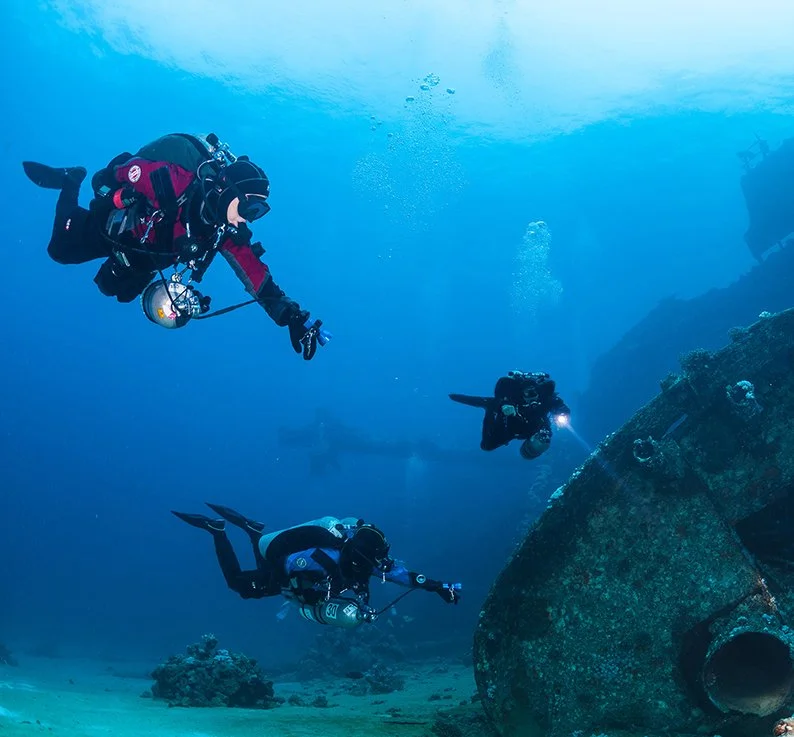
In-water skills include:
Underwater communication
Gas donation to an out-of-gas diver
Ascending and traveling with an out-of-gas diver
Valve manipulation drills
No-mask comfort and teamwork
Surface marker buoy deployment
Controlled descents and ascents across multiple scenarios
All skills are performed neutrally buoyant, in trim, and as part of a team. No kneeling. No shortcuts.
Classroom sessions cover:
The GUE equipment system and how to configure it correctly for you
Why GUE does things the way it does
Minimum gas and gas planning strategies
Ascent profiles and dive planning
Pre-dive checks
Breathing gases, narcosis, and oxygen exposure
Gas analysis
Recreational decompression strategies
Dive safety
GUE’s global conservation and exploration efforts
If you’re not already nitrox certified, successful completion of the course can include Nitrox 32 certification.
Certification Levels
GUE Fundamentals offers two possible ratings:
Recreational Rating
This rating demonstrates mastery of the core skills required for safer, more enjoyable recreational diving. It can be earned using either single or double tanks and qualifies graduates to take:
Rec 2 (Triox)
Rec 3 (Trimix)
DPV 1
Documentation Diver
Fundamentals Tech Upgrade
Technical Rating
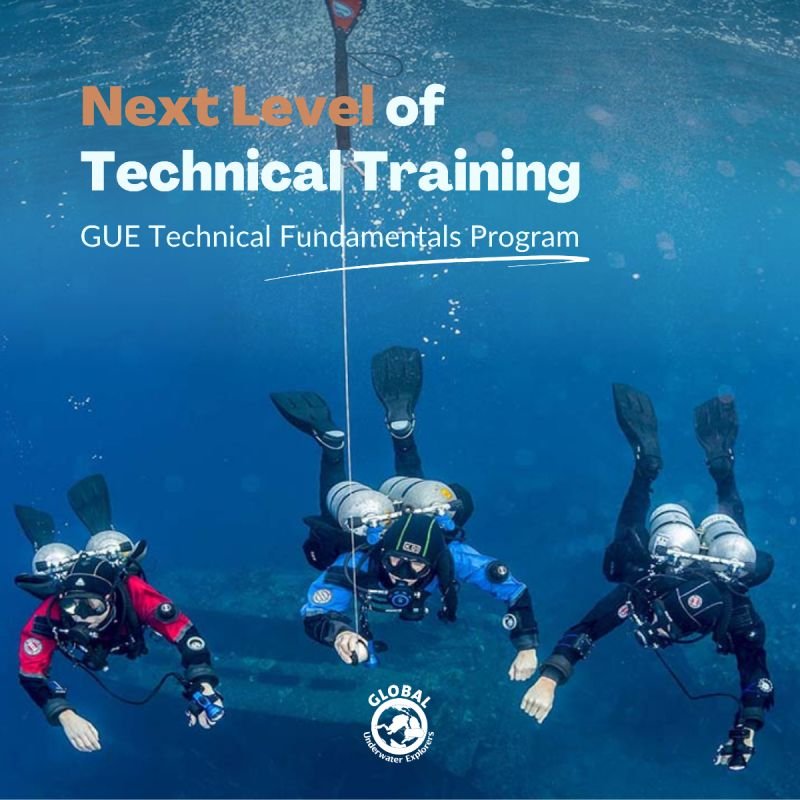
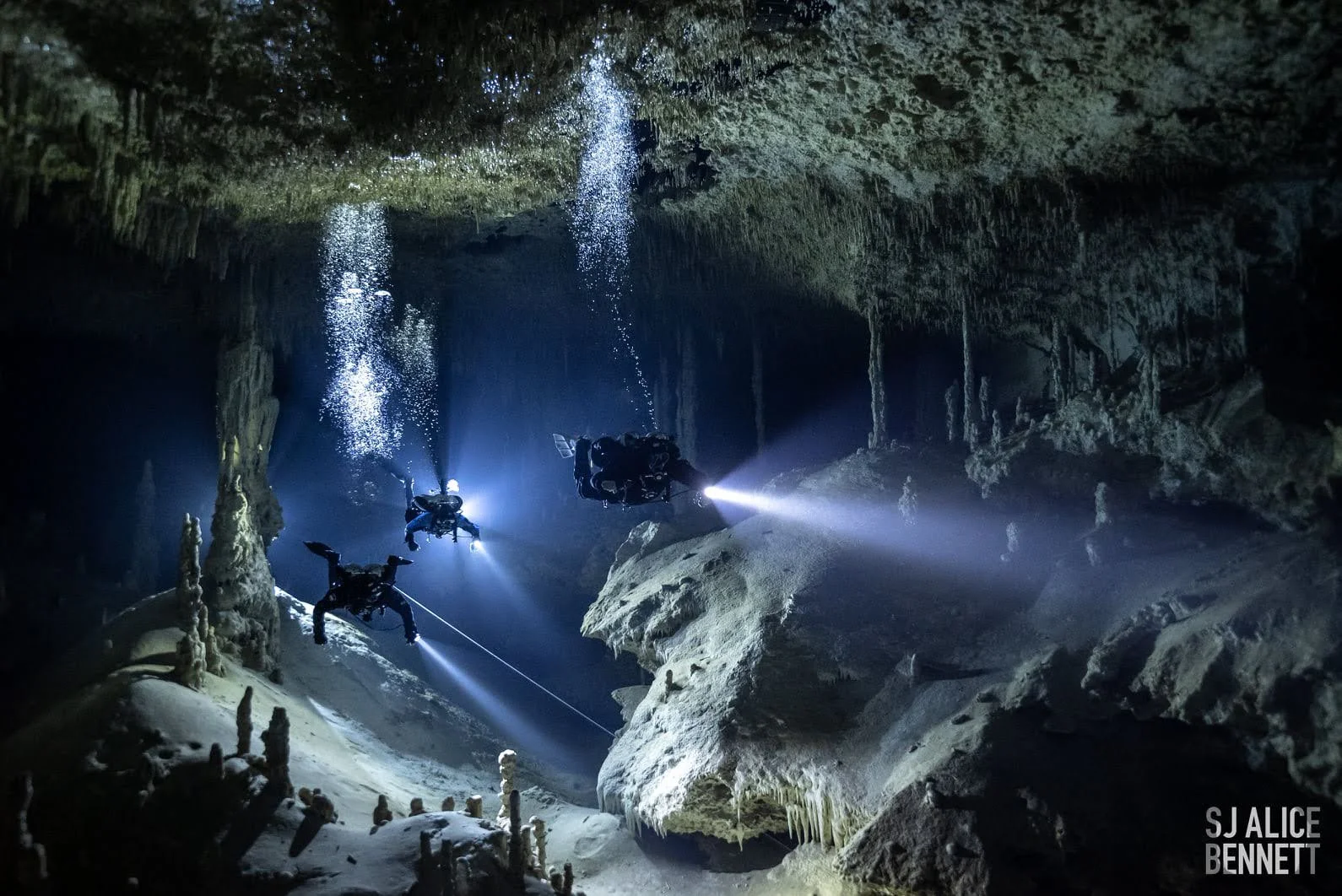
This rating demonstrates mastery of fundamental skills at a level sufficient to enter GUE Cave or Technical training without additional practice. It must be earned using double tanks and includes additional rescue skills, light usage, and doubles-specific procedures.
This is a demanding standard by design. It protects your investment in future training and ensures you’re truly ready for the environments you’re moving toward.
Duration & Certification
5–6 full days, depending on location and logistics
(alternate schedules available by arrangement)Very small class sizes
No more than two new divers per class (occasionally three by request or with a refresher diver)Includes classroom, land drills, open-water dives, and video review
Successful completion includes Nitrox 32 certification
Maximum depth: 70 ft / 21 m
Classroom-only option available (reduced tuition)
Rec 1 may also be taken in two parts:
Recreational Supervised Diver (40 ft / 12 m max, diving with a leader)
Rec 1 Upgrade once ready for full certification
Requirements
Open mind and willingness to learn
Swim test:
300 yards in 14 minutes
50-foot underwater breath-hold swim
Basic GUE system equipment (single or double tanks)
For Technical Rating: double tanks, primary light, backup lights, backup mask
Owning your own equipment is strongly recommended
Why Take Fundamentals
Fundies is appropriate whether you have 5 dives or 5,000 dives. For some divers, it’s their only GUE course. For others, it’s the gateway to cave, tech, or professional-level diving. Either way, everyone leaves with something valuable.
Divers take this course to:
Be a better buddy
Be a safer, more capable diver
Refine basic skills that often get glossed over
Improve gas planning and ascent discipline
Increase bottom time through efficiency, not shortcuts
Consistently surface with a proper gas reserve
Understand how and why to dive nitrox
Add new propulsion techniques (yes, including backwards kicks)
The Bottom Line
Fundamentals is where divers stop “getting by” and start diving deliberately. It’s about control, awareness, teamwork, and capacity—skills that improve every dive you’ll ever do.
If you want to dive better, feel calmer underwater, and get more out of your time below the surface, this course delivers.
Ready to train?